


Introduction

Braces are a reliable and effective way to correct crooked teeth, crowding, spacing, and bite problems. They work by applying gentle, controlled forces to gradually move the teeth into a healthier and more balanced position.
At Family Dental Surgery, braces treatment is planned with both function and aesthetics in mind. For most cases, we use digital treatment planning with indirect bonding, which allows brackets to be positioned more precisely based on the treatment plan.
What are Braces?
Braces are fixed orthodontic appliances used to align the teeth and correct bite discrepancies. Brackets are attached to the teeth and connected with wires that guide the teeth into their ideal positions over time.
Braces can be used to treat a wide range of concerns, including:
-
crowded teeth
-
spacing between teeth
-
protrusive teeth
-
deep bite
-
open bite
-
crossbite
-
general bite imbalance
Braces remain one of the most effective treatment options for mild to complex orthodontic cases.
Who May Benefit from Braces?
Braces may be suitable for:
-
children and teenagers with developing bite problems
-
adults seeking straighter teeth and improved function
-
patients with crowding or spacing
-
patients with bite issues such as overbite, underbite, or crossbite
-
patients who want a fixed treatment option that does not rely on wearing removable aligners
Following an orthodontic assessment, we will advise whether braces are the most suitable option for your case.
Our Approach: Digitally Planned Indirect Bonding
A more precise way to place braces
At Family Dental Surgery, most braces cases are carried out using digitally planned indirect bonding.
This means your braces are not placed purely by eye during the appointment. Instead, the bracket positions are first planned digitally based on your teeth, bite, and treatment goals. The brackets are then transferred onto the teeth using a custom tray.
_edited.png)
Why this matters
This approach offers several advantages:
-
more accurate bracket positioning
-
better consistency with the treatment plan
-
improved efficiency during the bonding appointment
-
a more streamlined start to treatment
-
greater attention to tooth position and final detailing
In simple terms, it allows us to start treatment with a high level of precision from the beginning.
What patients usually notice
While patients may not see the digital planning process itself, they often appreciate that treatment has been carefully thought through in advance. It reflects a more modern and deliberate approach to braces treatment.
How Braces Treatment Works?
Braces move the teeth gradually through controlled orthodontic forces. Over time, this helps improve tooth alignment and the way the upper and lower teeth fit together.
Treatment timeline usually involves:
-
records and assessment
-
treatment planning
-
placement of braces
-
regular adjustment visits
-
finishing and detailing
-
retainers after treatment
Each treatment plan is individual, and the exact mechanics used will depend on your bite and treatment goals.
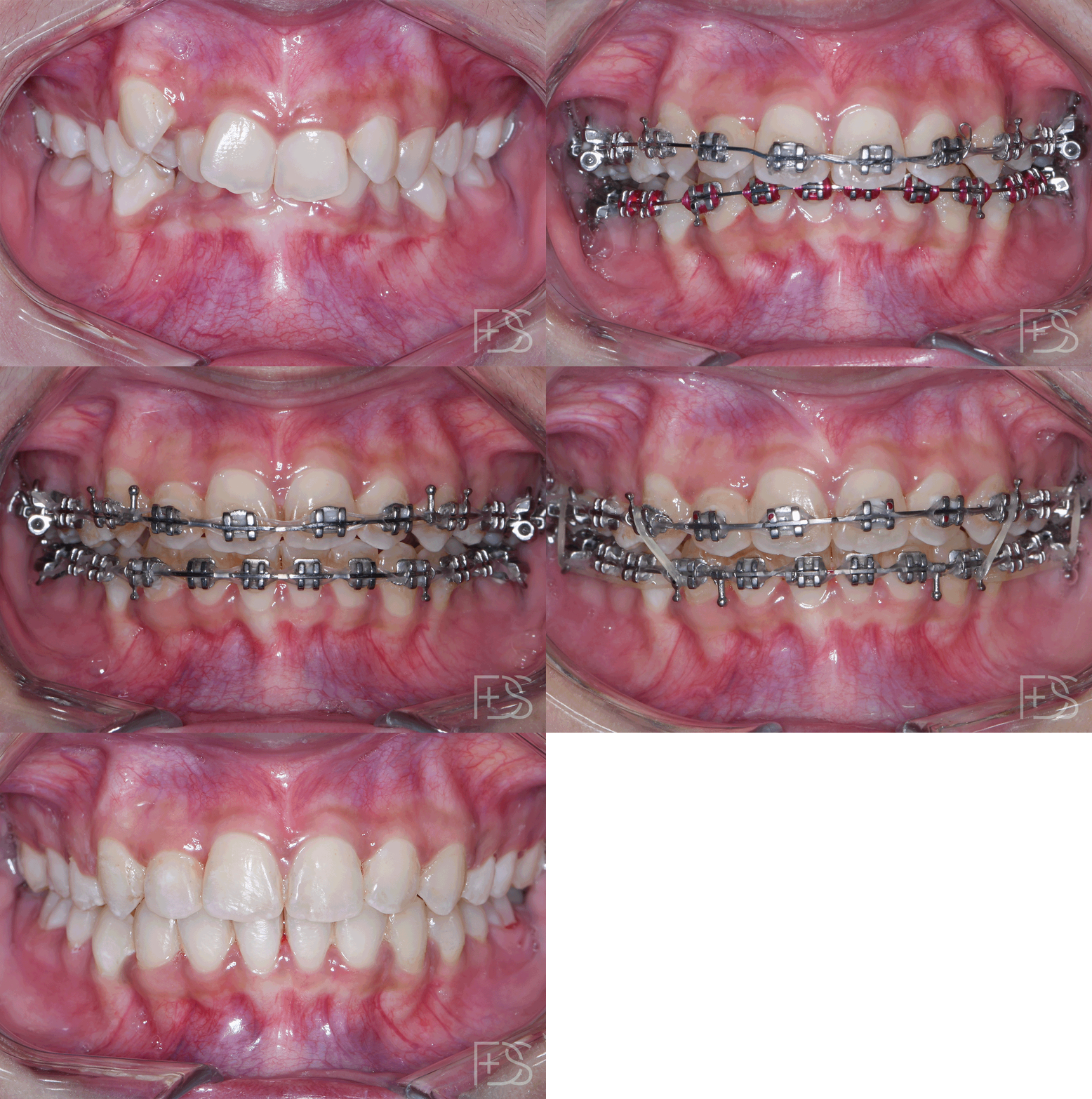
What to Expect
During Treatment
Braces treatment is a gradual process that gently moves your teeth into better alignment over time. We’ll support and guide you through each stage, so you know what to expect and feel comfortable throughout your treatment.

1. Consultation and Records
Your teeth, bite, and facial proportions are assessed. This is supported through the use of photographs, scans, and X-rays to help tailor your treatment.
2. Treatment Planning
Based on the records taken, a personalised braces plan is created, taking into account your treatment goals as well as the functional and aesthetic requirements of your case.
3. Bonding Appointment
Your braces are fitted to the teeth. With indirect bonding, this is done using a transfer tray that helps position the brackets according to the digital setup.
4. Review Visits
After placement of braces, subsequent visits are usually every 4 to 6 weeks so that we can monitor your progress, make the necessary adjustments, and guide your teeth through each stage of treatment.
5. Finishing and Retention
Once the teeth and bite are aligned, the braces are removed and retainers are provided to help maintain the result.
Things to Consider
Braces are a fixed treatment, which means they stay on the teeth throughout treatment. Good oral hygiene and regular follow-up visits are important.
A few points to keep in mind:
-
treatment duration varies from case to case
-
some discomfort is normal after adjustments
-
careful cleaning around brackets is essential
-
dietary modifications may be needed
-
retainers are important after treatment
We will explain the process clearly before treatment begins so you know what to expect.
